Eleven years on Corning Way
Forty thousand square feet in Martinsburg, West Virginia. Eleven years, a personal guarantee, a fence for a tenant we lost and a parking lot for one we had not yet met.
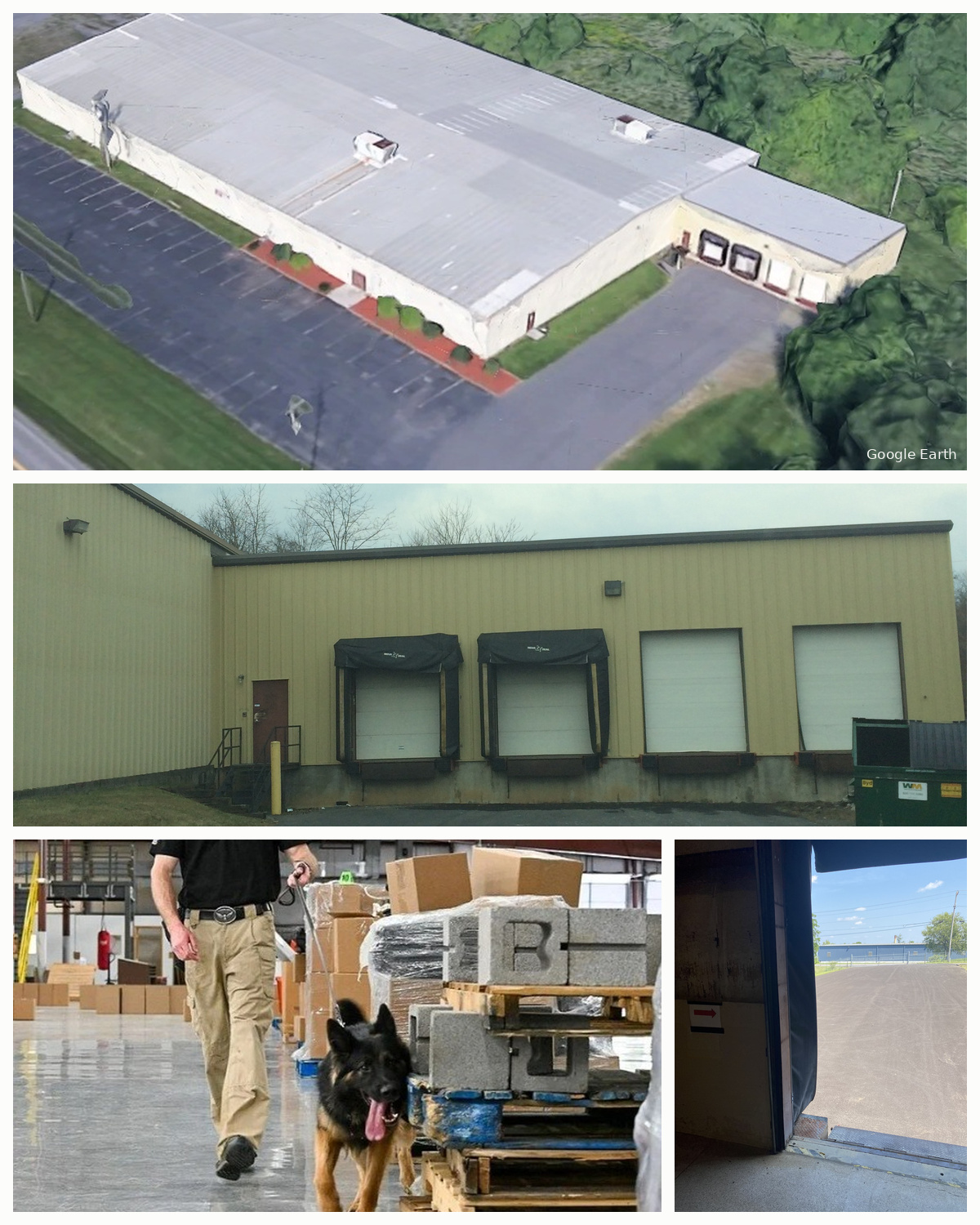
Forty thousand square feet, built in 1980. Low clear, leaky roof, and 23 year old HVAC. Really, it was all I could afford. Martinsburg, West Virginia, 2015. Nobody had heard of Martinsburg or IOS then. Many still haven't.
The bones were good in spite of the clear height. Excess land, at grade, for expansion if needed. But the location: unknown, but wow. Right off I-81 (Northern VA and NY/NJ/PA overflow), and two months earlier P&G had announced a $500 million plant up the road.
Basis about fifty dollars a foot. A big loan with a personal guarantee, kids at home in Europe, and my day job. Within two years I'd gone back into my pocket and replaced the roof and the HVAC. At lease renewal, I upgraded the office.
The first tenant ran a canine training center on security contracts. I wanted that building so nice and comfortable that they wouldn't dream of exercising their break option. When a fence was needed, one went in right away. I wanted them to feel, when they walked in the door, like this old shed in rural West Virginia was an Oberoi.
After nine years, they left anyway.
Their business required it. There was nothing about that building I could have done differently, which did not make it easier. I remember them fondly.
The building sat vacant, interest payable, clock ticking. Now what.
So I repaved the parking lot. Both entrances and the dock apron, nine thousand square feet at full depth. About $200k of asphalt, dock doors and carry, into an old vacant warehouse.
The conventional advice is to wait, and see what capex your next tenant wants.
A salad dressing manufacturer turned up. Then an acoustic testing company servicing the biggest names in space exploration. One day last year they had several trailers coming back from Florida's Space Coast on the same day. The night before, 6 time zones away, I couldn't sleep making sure the dock leveler would not slow the unload.
I sold the building this year for a decent price, just north of a hundred dollars a foot.
I think the asphalt was part of what the buyer was pricing. Not the asphalt. What it said about my conviction.
From a distance, some call that flipping. Others thought it was somehow about IOS. I get both, but find both artificial.
If that was flipping, then flipping was a decade of answering the phone, spending money on things nobody photographs, and repaving a lot for a tenant who did not exist yet. And if it is IOS, then IOS is just part of the same conversation about how the space helps a tenant get where they are going. (The best IOS facilities I have seen just happen to have one portion of the site with four walls and a roof.)
We hear a lot about conviction bets in industrial and IOS. Blackstone. Prologis. Others. Two billion here, nineteen billion there.
That is not this.
This was a fence for a tenant I lost, and a parking lot for one I had not yet met.
Conviction, in my case, meant being the only idiot in the market underwriting an eleven year hold.
In short
- What does it actually cost to own a small industrial building for a decade?
- The capital went in early and repeatedly. On a 40,000 square foot building from 1980, bought at roughly $50 a foot, that meant a new roof and HVAC within two years, an office upgrade at lease renewal, a fence for the tenant, and about $200,000 of asphalt, dock doors and carry once the building went vacant. None of it photographs well. All of it was priced by the eventual buyer.
- Why repave a parking lot for a tenant who does not exist yet?
- The conventional advice is to wait and see what capital expenditure the next tenant asks for. Repaving both entrances and the dock apron at full depth before anyone had signed did two things: it made the site usable for trailer traffic, and it signalled conviction. The buyer was arguably pricing the second as much as the first.
- Was this an industrial outdoor storage (IOS) deal?
- Only in retrospect, and the label came later. Institutional IOS did not exist as a category in 2015. The more accurate description is that the yard and the surplus land did as much work as the building. The best IOS sites tend to be places where one portion happens to have four walls and a roof.
- How long does a land-optionality bet take to pay off?
- Eleven years here. Acquired 2015, sold 2026 at just north of $100 a foot against a basis of about $50. The hold period is the real cost of the strategy, and it is longer than most fund structures permit.